Fortress One specialises in dry rot and wet rot assessment and treatment, serving clients across Edinburgh, Glasgow, Stirling, The Lothians, Scottish Borders, and Ayrshire.
Our priority is to ensure your understanding of the reported information from our dry rot survey, offering a quotation action plan that encompasses a range of treatment methods tailored to the specific requirements of your home.
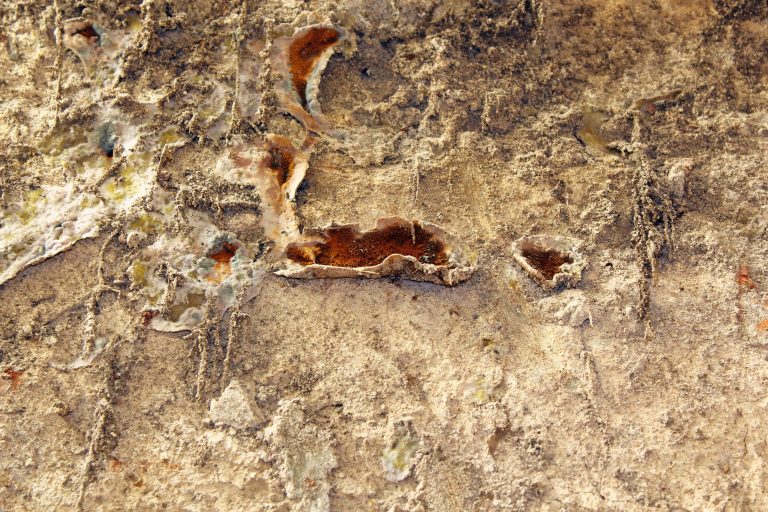
Dry rot is a fungus that digests parts of wood, both on the forest floor and inside buildings. It begins life as a microscopic spore that resembles orange dust, and if the right amount of moisture and humidity are available then it will grow into white strands called hyphae, then into mycelium, and eventually into a fruiting body mushroom known as Serpula Lacrymans.
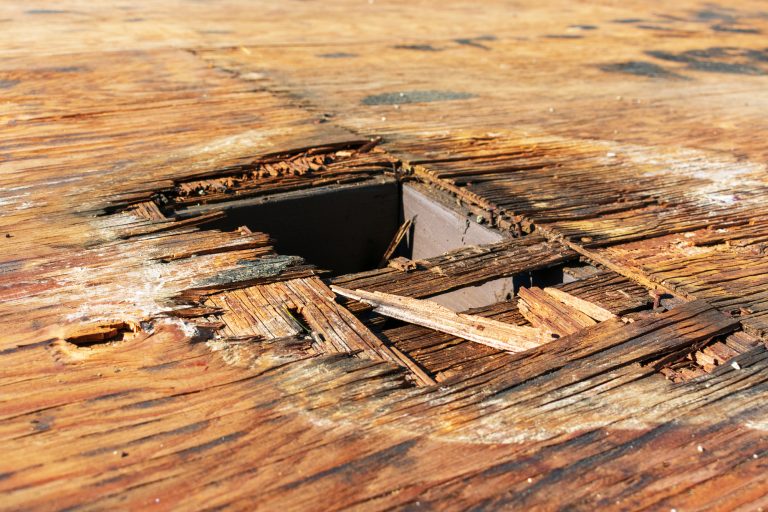
The most frequent and serious cause of damage to a building timber is fungal decay, commonly known as Dry Rot or Wet Rot. Fungal decay can affect all timber, in both historic and modern houses. Dampness combined with a lack of ventilation provides the ideal conditions for fungal attack on timber.
What is wet rot?
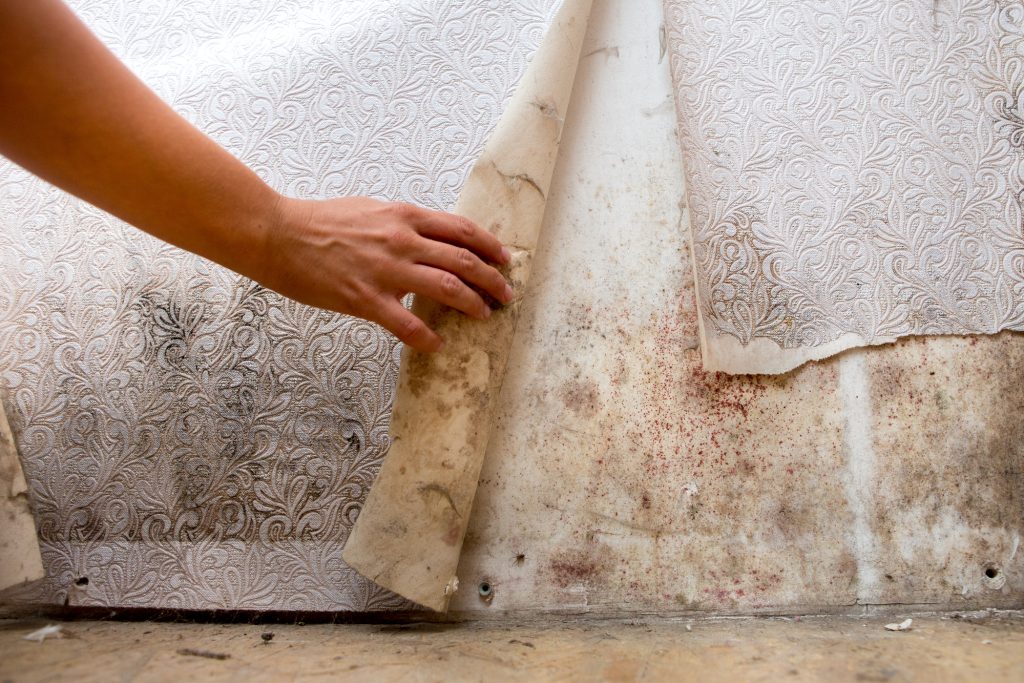
Wet Rot is a variety of brown wood eating fungus which occurs when high moisture levels are found to be present within the timber. Dampness, combined with a lack of ventilation, provides the ideal conditions for fungal attack on timber.
Our dry rot survey inspection
During our dry rot survey we will identify the problem and provide you with a quality, tailor-made action plan and recommendation for your property. This includes permanent solutions to eradicate dry rot fungus problems on internal timbers and walls, which will penetrate as deep as possible into the timber and wall masonry- providing your home with optimal protection against active dry rot.
Dry rot & wet rot treatment
We are straightforward and transparent in the way we work. As a specialist contractor in small repairs of domestic homes and up-scaled works on commercial buildings, we offer specialist chemical treatments from market leaders who develop and supply products for the remedial preservation treatment industry. The nature and biology of fungal decay make it vital to locate and eliminate the underlying source of moisture behind the outbreak. It is important to replace defective timbers and treat the affected area with the latest fungicidal formulations to prevent further infection.
How to prevent dry rot
To prevent dry rot, you need to stop water from entering the building and prevent any moisture coming into contact with timbers. Protect timber with protective coatings so no moisture can gain entry and provide good ventilation to keep timbers free from any dampness. Contact us for expert advice.
Our dry rot and wet rot treatments come with our 10-year insurance-backed guarantee to the household consumer, providing reassurance that we are reliable and trustworthy.
If you are interested in us carrying out a survey for you or would like to learn more, simply fill in the form below and we'll be happy to get back to you.